How We Test HDR Software & Hardware
Inside our standardized digital imaging test bench. We evaluate 32-bit floating point algorithms, raw sensor dynamic range, and tone mapping fidelity with zero commercial bias.
Our Core Testing Philosophy
At Luminance HDR Guide, we believe high dynamic range photography is both an art and an exacting science. Too many online software roundups rely on vendor marketing slides or superficial 5-minute tests using random handheld JPEGs.
We operate differently. Every guide, comparison, and software review on this site is conducted under controlled laboratory conditions. We feed identical 14-bit and 16-bit uncompressed RAW bracket sequences into each application, evaluating how different mathematical tone mapping operators compress extreme luminosity without crushing blacks or introducing unnatural halos.
Our 5-Stage Software Evaluation Protocol
When we benchmark free open-source software against commercial programs like Photomatix Pro, Adobe Lightroom, and Luminar Neo, each application undergoes a five-stage test:
Raw Ingestion and 32-Bit Linear Merging
We inspect whether the software uses true 32-bit floating-point linear radiance maps (such as OpenEXR or LogLuv TIFF) or internally downsamples to 16-bit integer space. We test raw decoding libraries (e.g. LibRAW vs Adobe Camera Raw) across Canon CR3, Nikon NEF, Sony ARW, and DNG formats to ensure zero loss of shadow detail during ingestion.
Auto-Alignment and De-Ghosting Accuracy
Multi-shot brackets suffer from camera shake and subject movement. We test auto-alignment with sub-pixel translational and rotational micro-shifts, followed by ghost removal evaluations on scenes with moving pedestrians and wind-blown foliage. We assess whether de-ghosting creates jagged border tears or transparent “double exposures.”
Tone Mapping Algorithm Depth and Halo Suppression
Tone mapping is where HDR tools either shine or ruin an image. We compare gradient compression algorithms (Mantiuk ’06, Mantiuk ’08, Fattal, Reinhard, Drago, Ashikhmin). We specifically measure edge halo bleeding around high-contrast rooftop silhouettes and window mullions.
Processing Speed and Batch Workflow Efficiency
For commercial shooters and real estate photographers, time is revenue. We time 50-bracket batch processing sets, measuring CPU multi-threading, RAM buffer management, and GPU hardware acceleration across Windows 11 and macOS Apple Silicon workstations.
Color Gamut Preservation and Display Output
We inspect 16-bit TIFF and JPEG exports for color clipping in wide color gamuts (Adobe RGB, DCI-P3, and Rec.2020). Using hardware colorimeters, we verify that deep sky blues and rich sunset oranges do not suffer from posterization or out-of-gamut banding.
Standardized Test Scenes and Benchmark Brackets
To ensure direct comparability across all tools, our benchmarks utilize three standardized real-world stress test environments:
1. Real Estate Interior Window-Pull
Dynamic Range: 16.5 EV. Direct sunlight streaming through double-glazed windows onto deep shadow hardwood floors. Evaluates highlight rolloff and window frame edge halos.
2. Golden Hour Urban Cityscape
Dynamic Range: 13.5 EV. High-contrast architectural skyline with moving pedestrian traffic and fluttering foliage. Evaluates optical-flow ghost removal and brickwork micro-contrast.
3. High-ISO Nightscape & Astro
Dynamic Range: 11.0 EV. Mixed sodium-vapor streetlights, neon signage, and deep starry night shadows. Evaluates shadow chroma noise amplification during tone mapping.
Laboratory Equipment and Hardware Test Bench
Accurate software benchmarks require precision input hardware and reference-grade monitoring tools. Here is the primary equipment deployed in our testing lab:
| Component | Equipment Model | Testing Purpose |
|---|---|---|
| Primary Camera | Sony Alpha 7 IV (33MP BSI-CMOS) | 14.7 stops base dynamic range, 14-bit uncompressed ARW capture |
| High-Res Camera | Canon EOS R5 (45MP Dual Pixel) | 14.6 stops dynamic range, fine detail resolution stress testing |
| Aerial Platform | DJI Air 3 (Dual 1/1.3″ CMOS) | 5-shot AEB drone bracket stability & wind-drift alignment |
| Color Reference Display | BenQ PhotoVue SW272U 4K | 99% Adobe RGB, 99% DCI-P3 hardware calibrated 16-bit 3D LUT |
| HDR Peak Display | ASUS ProArt PA32UCG-K | 1400 nits peak, 1152 Mini-LED zones for true HDR10 PQ inspection |
| Colorimeters | Calibrite Display Plus HL & Spyder X2 | D65 white point verification, Delta E < 1.5 calibration accuracy |
Scoring Criteria and Evaluation Weights
When calculating overall ratings in our software comparison guides (e.g. Best HDR Software Guide and Best Free HDR Software), our final score is determined by a transparent weighted average:
Our Editorial Independence Guarantee
We purchase our own photographic hardware and test software using retail licenses or public open-source builds. We never accept payment, sponsorship, or free gear in exchange for positive reviews or altered comparison rankings.
When readers click affiliate links on our site (such as Amazon, Skylum, or Topaz), we may earn a small referral commission at no additional cost to you. This support allows us to fund our laboratory testing hours, maintain our free tutorials, and keep Luminance HDR documentation freely available to photographers worldwide.
Frequently Asked Questions About Our Testing
Can a software company pay to rank higher in your comparisons?
No. Our rankings are driven strictly by the benchmark metrics outlined above. If a commercial tool fails our de-ghosting test or produces excessive edge halos, we state it clearly regardless of affiliate partnerships.
Why do you compare free open-source software with high-end commercial suites?
Because photographic quality is determined by mathematical algorithms, not price tags. In many scenarios, Luminance HDR’s implementation of the Mantiuk or Fattal operator produces dynamic range compression superior to expensive commercial filters. We believe every photographer deserves to know when free software matches or exceeds paid alternatives.
How often do you re-test and update your benchmarks?
We conduct comprehensive benchmark audits annually (most recently in 2026) and perform spot re-tests whenever a major version release drops (e.g. Lightroom updates or new Luminar Neo extensions).
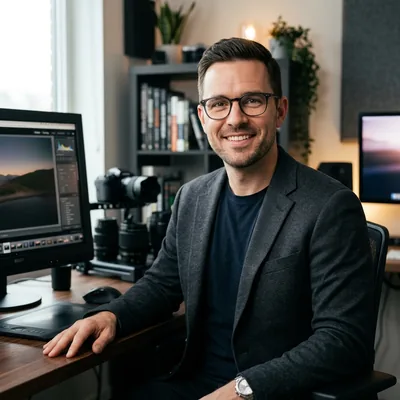
Testing Protocol Certified by Oliver Vance
“Our testing methodology is rooted in optical science and repeatable data. Every operator recommendation on Luminance HDR Guide is verified through radiometric curve analysis and hardware-calibrated colorimetric inspection—never subjective impressions or vendor claims.”
Have a suggestion for our testing lab?
If you have a difficult RAW bracket set or want us to benchmark a specific HDR tool, reach out to our team.
Contact the Testing Lab →